
Why Good Backtracking Feels Like Magic
Bad backtracking wastes your time. Good backtracking proves you have changed.
Read longreadRespawn Atlas is a sharper gaming magazine for reviews, longreads and field notes about the moments players actually remember.
The homepage is now the main magazine experience: a clear hero, clickable longreads, review cards, guide notes, gallery preview and newsletter block. Every section sits on the same spacing system so the layout feels intentional.
New archive images are used across the design, while older strong visuals remain in the gallery and supporting feature blocks. The result is cleaner, richer and easier to extend.
Bad backtracking wastes your time. Good backtracking proves you have changed.
Read longread
A save room is not just a menu checkpoint. It is a promise that the game will let you breathe.
Read longread
The health bar says how much boss is left. It does not tell you what the fight is really testing.
Read longread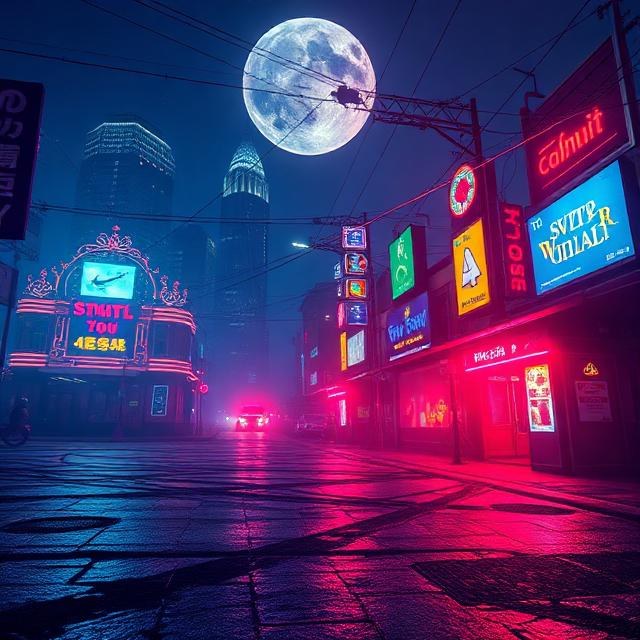

I used the new archive for the main visual language, but kept the older images inside the gallery and selected feature areas so nothing useful is wasted.
All images are controlled by CSS with fixed aspect ratios, object-fit rules and equal card heights.
View gallery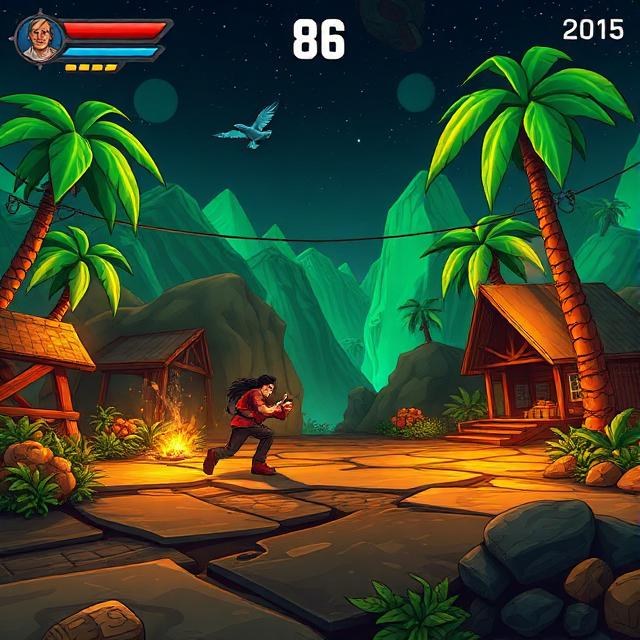
A stylish campaign that turns backtracking into discovery instead of chores.
Hollow Circuit has the confidence to stay readable while still looking expensive. Combat is snappy, routes fold back into each other and every upgrade feels like a new verb rather than a bigger number.
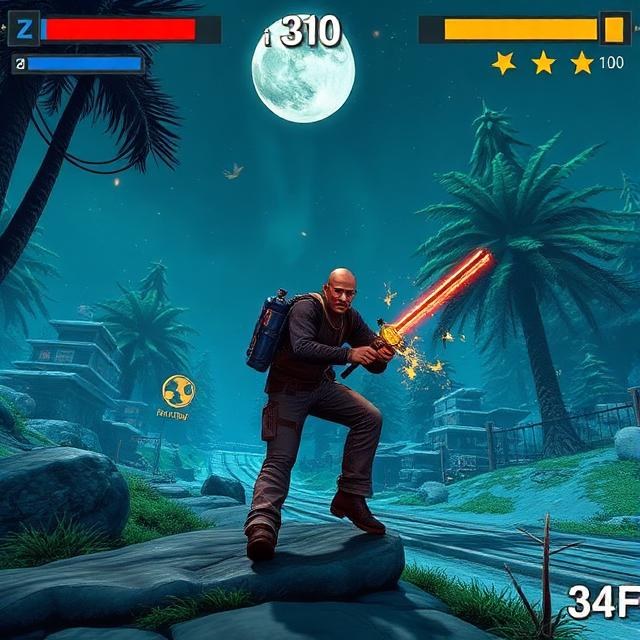
A fantasy RPG that remembers small towns can be more interesting than giant prophecy walls.
Its best quests are not the loud ones. They are the little disputes, old letters and strange shortcuts that make the world feel lived in. Emberline Kingdom is at its strongest when it slows down.
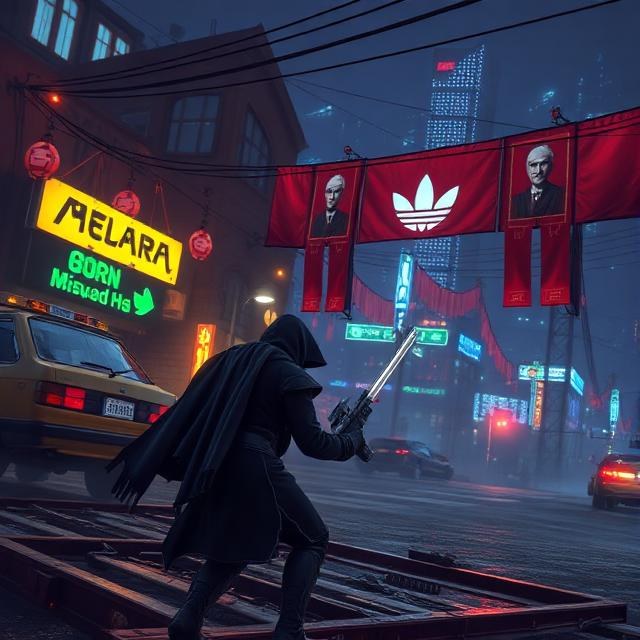
A quiet space mystery where every interface beep feels suspicious.
The game turns silence into pressure. Logs, maps and broken station doors become part of the storytelling instead of decoration. It is patient, eerie and surprisingly emotional.
Fast restarts, sharp corners and the dangerous idea that one more lap will fix everything.
Blacklane Rush does not pretend to be a simulation. It is pure rhythm: drift, breathe, boost, crash, restart. The loop is simple, but the track design keeps it alive.
Puzzle horror that understands fear works best when the player thinks they are safe.
Signal Briar is built on tiny doubts. Did that room change? Was that note there before? Why did the save screen stutter? It is clever without becoming smug.
Relaxing on the surface, secretly a smart little planning game underneath.
Coastlight Camp makes simple routines feel tactical. You are not min-maxing spreadsheets; you are choosing how to spend a soft evening, and somehow that becomes meaningful.
Pick one landmark and move toward it. Let side paths interrupt naturally. You will remember the route better and enjoy the world more.
Every player has one habit under pressure. Design your build around that habit instead of copying a perfect setup that breaks the moment you get nervous.

Skip outrage first. Look for intention: what problem is the team trying to solve, and what playstyle gets more room because of the change?
Not every game deserves completion. If curiosity is gone and only obligation remains, the cleanest move is to uninstall without guilt.