
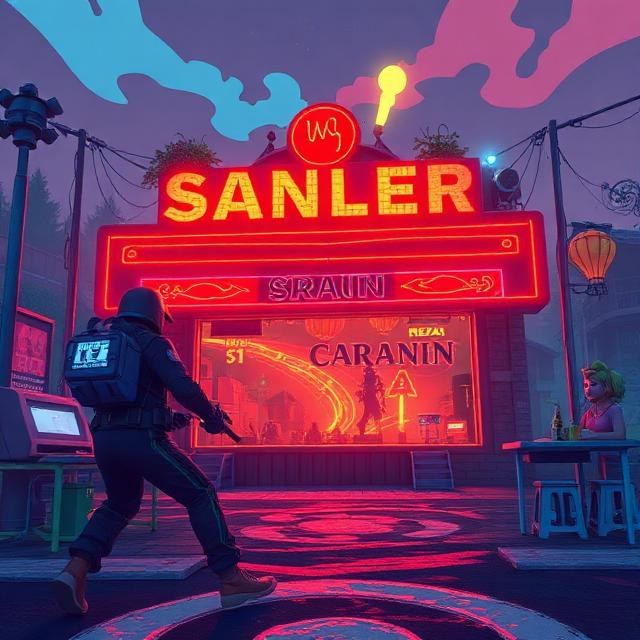
Safety has a sound
The best safe rooms announce themselves before the player understands why. A soft theme, a different camera angle, warmer lighting, a door that closes cleanly behind you. These details tell the body to relax. In tense games, that relaxation is powerful.
A safe room works because it has contrast. The hallway outside is danger, noise or uncertainty. The room inside is ritual. You heal, sort inventory, save progress and decide whether you are brave enough to leave again.
The pause is part of the pacing
Games often obsess over action, but relief is what gives action shape. Without pauses, pressure becomes flat. A save room gives the player time to process what happened and imagine what comes next.
This is not wasted time. This is pacing. The quiet room makes the next loud corridor feel louder.
Why players remember tiny rooms
Players remember safe rooms because those spaces carry emotion. They are where panic turns into planning. They are where a terrible run becomes recoverable. They are where the player gets to feel alone without feeling hunted.
A great save room is small, but it can hold the entire mood of a game.